
Coping
Coping Stones and Caps
Open joints between coping stones let water drop into the wall cavity. It shows up inside below the roof line and looks like a roof leak.
As a Glenolden metal roof coating contractor, we trace leaks on brick commercial buildings to the roof or the masonry first, then coat the roof that needs it.
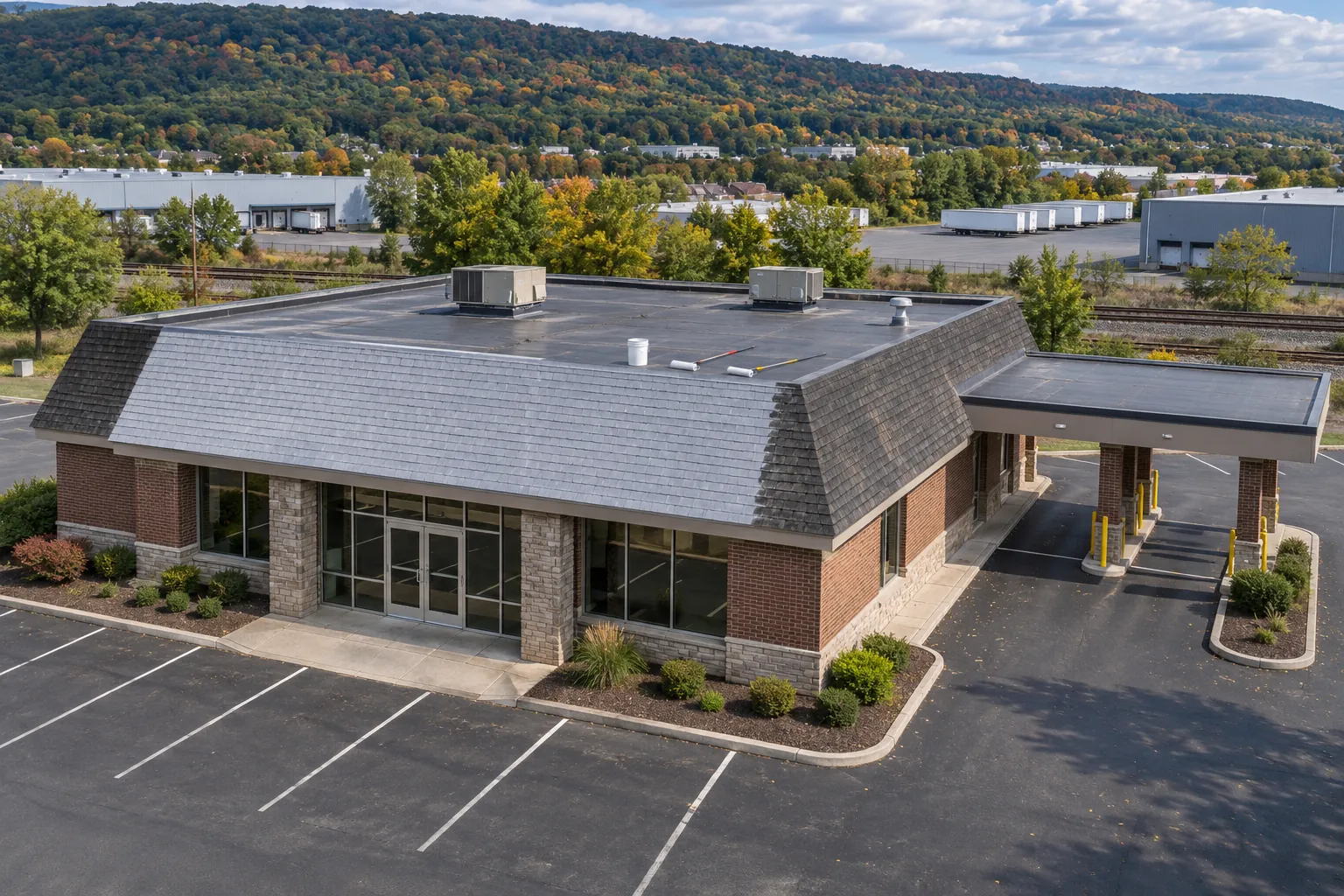
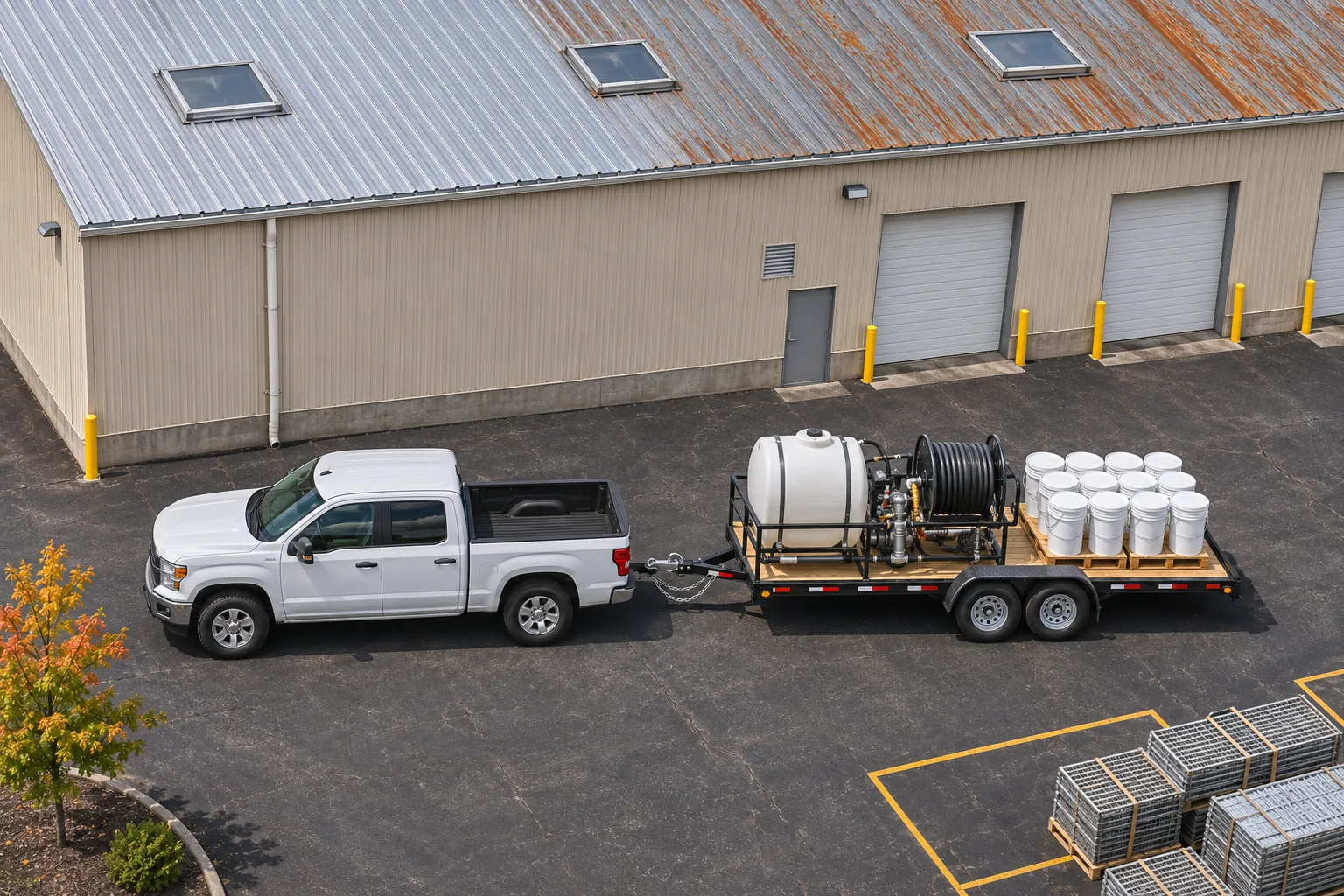
Glenolden metal roof coating on brick buildings starts by finding where the water really enters. A stain below a parapet or along a party wall can come from coping, mortar joints, or wall flashing as easily as from the roof panels.
When the water comes through masonry, coating the panels leaves the leak running beside a new roof, so we tell you that before quoting a coating.
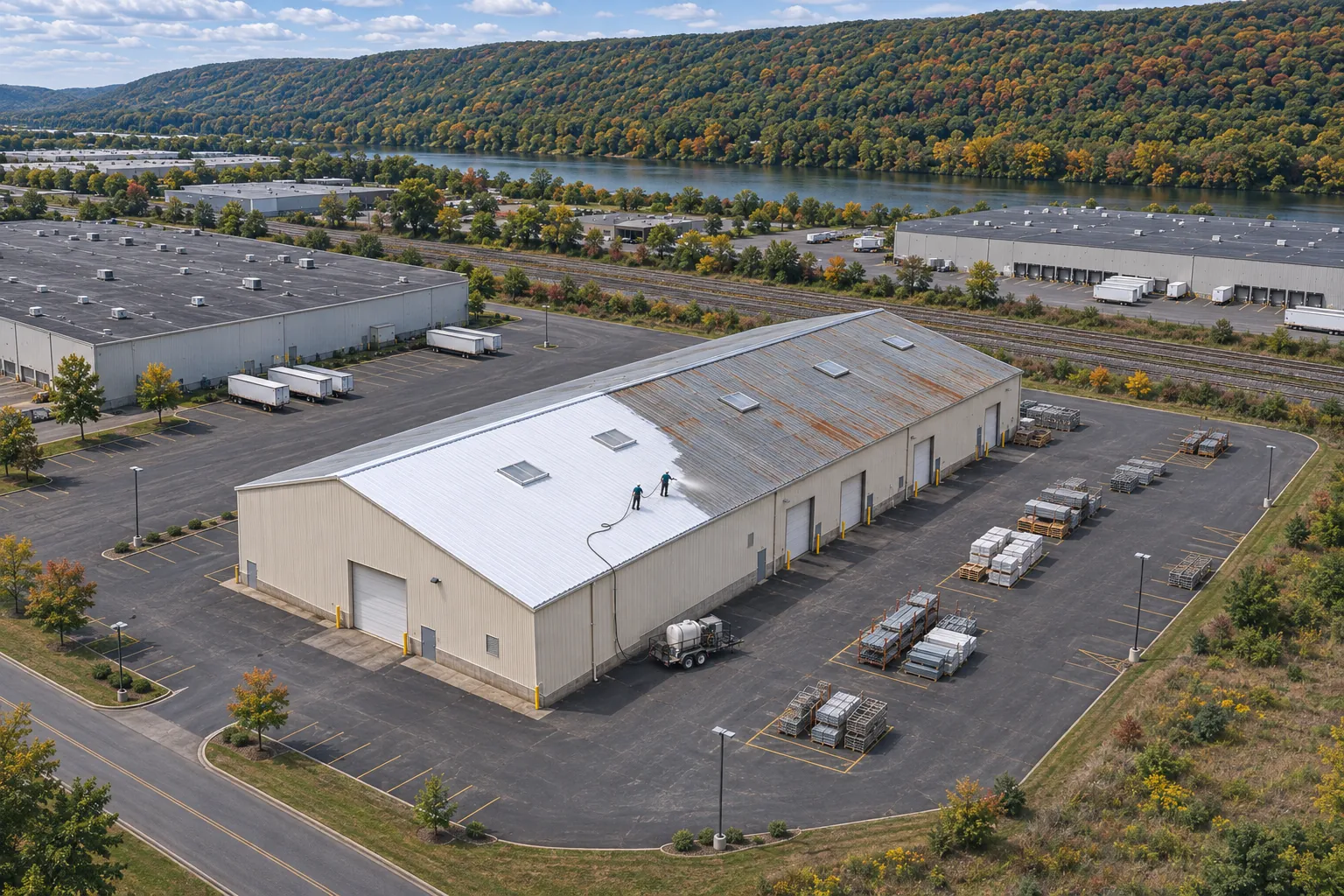
Five places send water into a brick building with a metal roof, and only some of them are the roof.
Open joints between coping stones let water drop into the wall cavity. It shows up inside below the roof line and looks like a roof leak.
Counterflashing tucked into a mortar joint pulls loose as the mortar weakens. Water then runs behind the base flashing onto the deck.
Where panels stop against brick, the end closure and sealant take a lot of movement. Gaps there let water track along the wall.
Porous brick and cracked mortar soak up rain and release it inside. We compare wet patterns indoors with what the roof shows.
Humid interiors in older brick buildings can condense on the cold underside of the panels. That moisture comes from inside and needs ventilation work.
Once the masonry side is handled, a coating closes up the roof side of the building.
Tracing first means the coating budget goes to the roof only where the roof is the source of the water.
Coating carried up rebuilt base flashing seals the line where the metal panels meet the masonry.
Firm steel between parapets stays in place, which avoids disturbing old brick and coping during a tear-off.
The inspection notes which wall joints and coping stones need a mason, so that work can be planned alongside the coating.
Brick buildings in Glenolden usually need one of these combinations.
Repointing and coping work by a mason first, then the roof coated once the wall stops feeding water inside.
New base and counterflashing at the wall line, reinforced and coated with the rest of the panels.
For roofs with firm panels and a single wet wall, rebuilding the wall-line details without a full coating.
Silicone for flat roof areas between parapets where water sits against the brick after storms.
Call or start a ballpark estimate. We trace whether the water comes through the roof or the masonry before quoting anything.
Get A Free Ballpark EstimateThe leak source decides the job. These steps keep the roof and the masonry work in the right order.
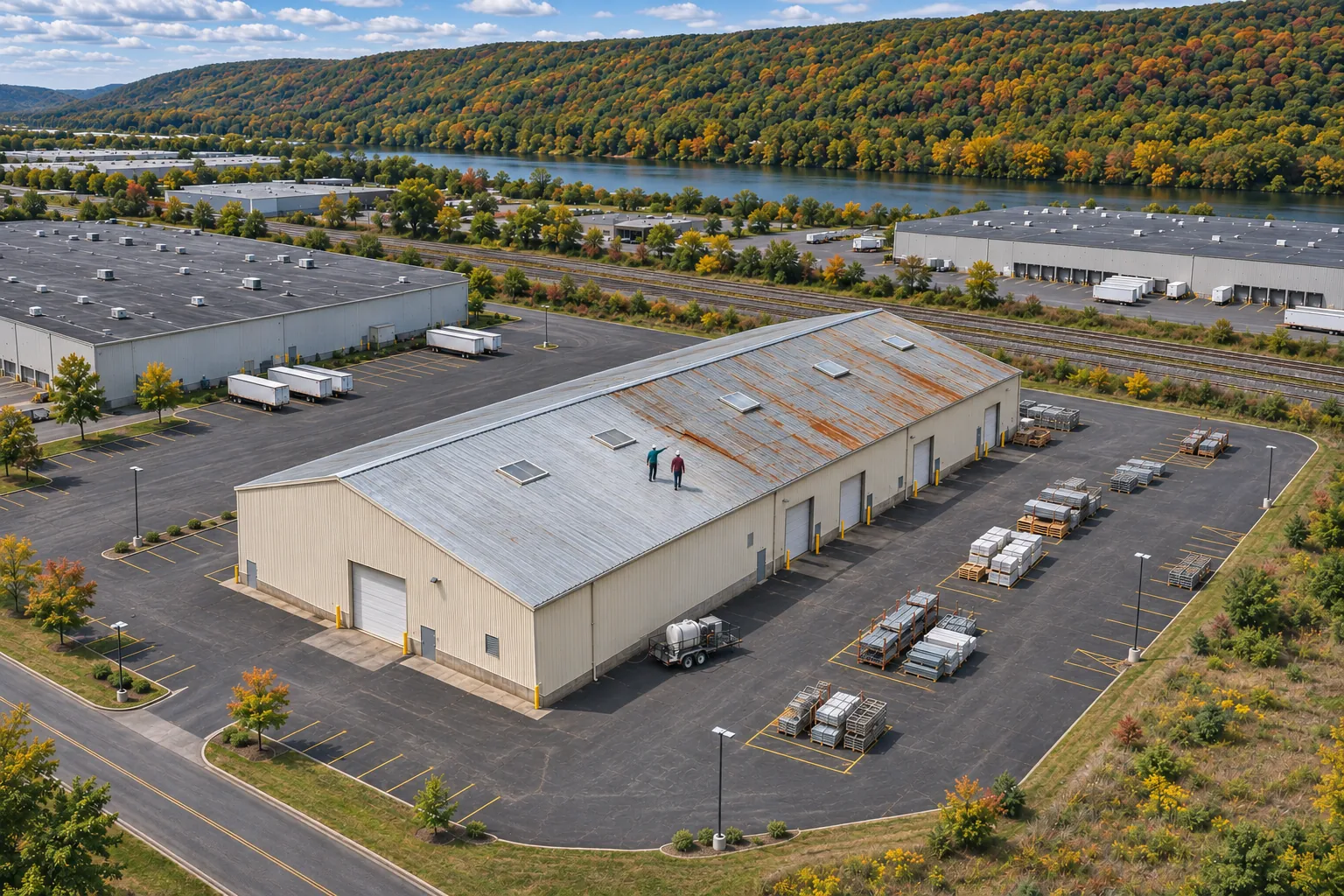
Panels, wall lines, coping, and counterflashing get checked, and indoor wet spots are mapped against what the roof shows.
Leaks coming through brick are written up for masonry work. Roof-side leaks go on the coating plan with their repairs.
Base flashing, counterflashing, and panel end closures along the brick are rebuilt so the roof edge is tight.
The field and the new wall details are coated together, with reinforcement where the panels meet the masonry.
Glenolden sits with five other places on our list for commercial metal roof coating. For a building outside them, call us or send us a message.
Answers for owners of brick commercial buildings.
Not when the water enters through masonry or coping above the flashing. We trace the moisture path and compare interior evidence with roof conditions before recommending work. Coating only the panels in that case leaves the higher entry point active beside a newly coated surface.
Coating itself plans at about $2.50 to $4.00 per square foot, and replacement at about $5 to $8. Wall-line flashing rebuilds add to the roof price, while masonry repairs are a separate trade cost. The inspection splits those so you can compare them.
Yes. We note the coping, mortar, and wall joints that need work and share those notes, so the mason and the roof work happen in the right order. The roof gets coated after the wall stops sending water in.
Rarely. Work happens on the roof, and interior spaces stay open. Wall-line work makes some noise near the parapets, and we schedule it around your hours. Entrances below the work area get a clear path and overhead protection while that work is underway.
Condensation shows up as drips spread across the underside of the panels on cold mornings, often with no rain. Roof leaks follow storms and line up with laps, screws, or walls. We compare the timing and the pattern, and check interior humidity in older brick buildings.
Send the address and where the stains show inside, or call to set up the visit.