
Attachment
Panels and Deck Attachment
Foam adds weight, and wind uplift acts on the new surface. Panels and deck stay fastened firmly to the structure, so loose attachment is fixed first.
As a Bethlehem spray foam roofing contractor, we spray foam over dry metal or flat roofs, protect it with a coating, and plan overspray around the building.
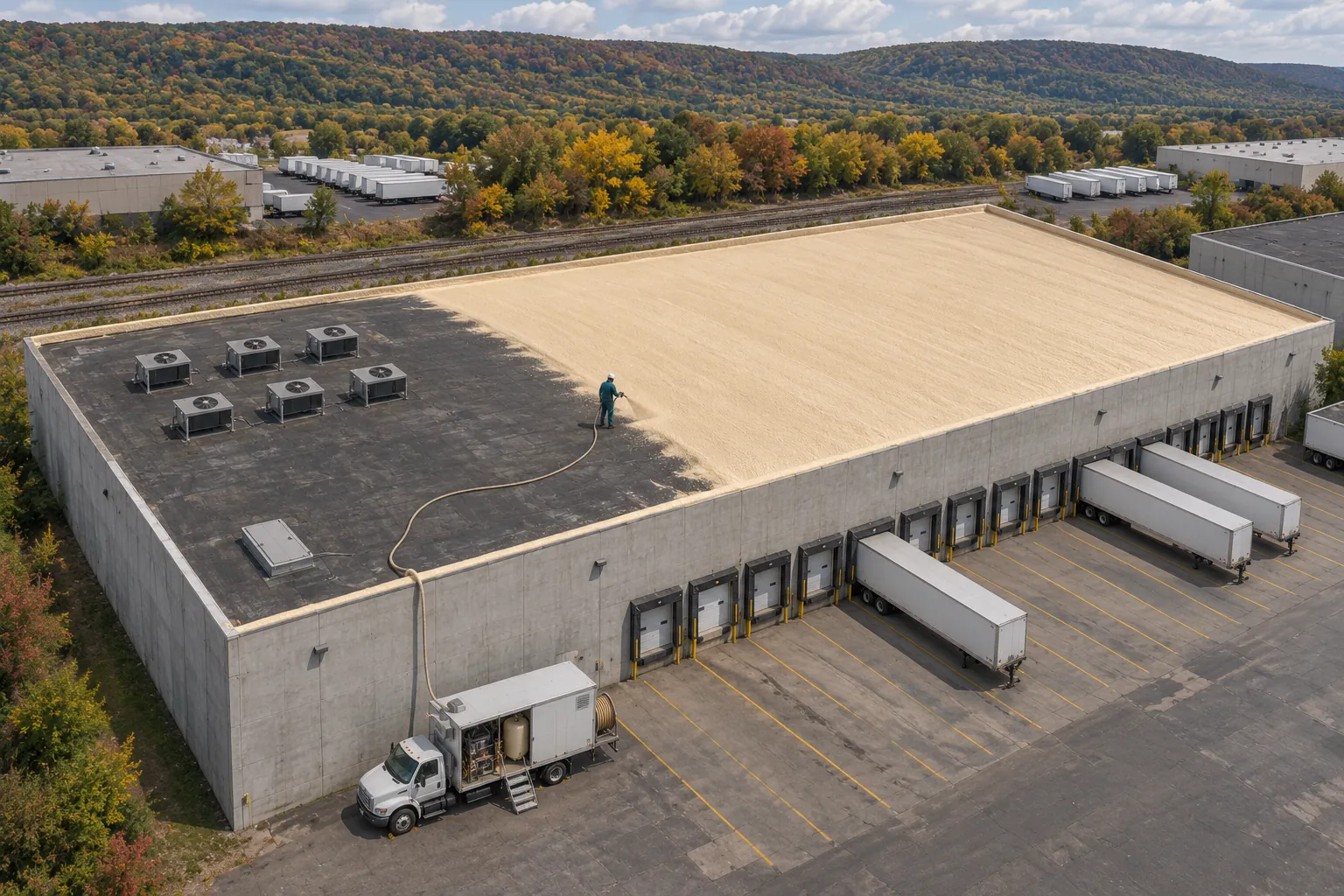
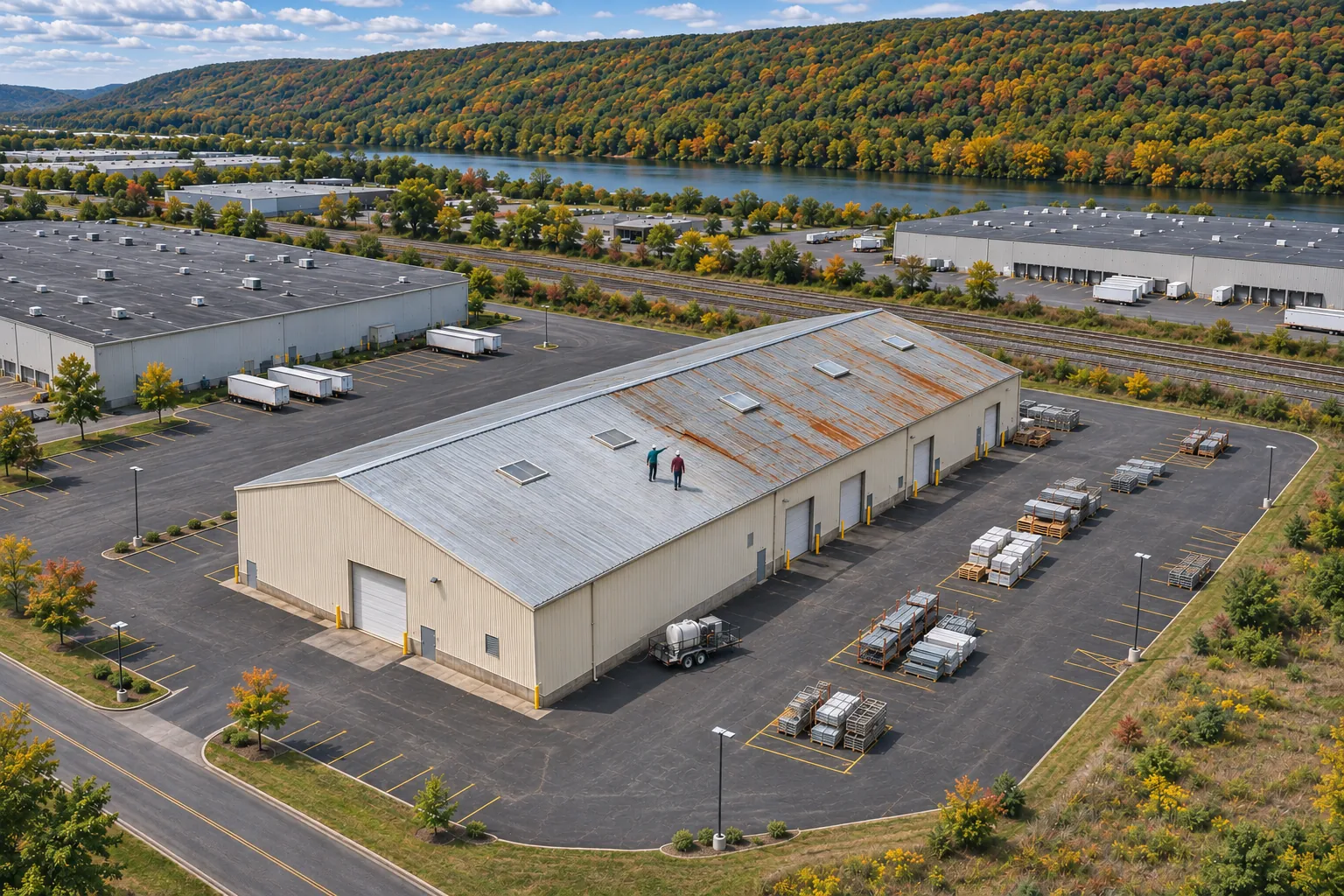
Bethlehem spray foam roofing suits dry, well-attached roofs that need insulation. Compare your roof with the rows below.
| What You See On The Roof | Foam After Prep | Repair, Then Foam | Different System |
|---|---|---|---|
| Metal building with little or no insulation | Usually fits | Sometimes | Rarely |
| Flat roof crowded with curbs and pipes | Usually fits | Sometimes | Rarely |
| Roof with wet insulation in several areas | Rarely | Usually fits | Sometimes |
| Panels with loose or rusted-through attachment | Rarely | Sometimes | Usually fits |
| Building with air intakes near the work area | Sometimes | Usually fits | Rarely |
Foam covers everything under it, so these five areas are checked and fixed before any spraying.
Foam adds weight, and wind uplift acts on the new surface. Panels and deck stay fastened firmly to the structure, so loose attachment is fixed first.
Anything wet below the foam stays trapped. Wet insulation is removed, and the metal or membrane must be dry and above dew point when we spray.
Scaled rust gets brushed and primed so the foam bonds to firm steel. Holes in panels are patched with metal before foam bridges them.
Every curb and stack is raised or flashed for the added foam depth. Air intakes are shut down or covered while spraying happens nearby.
Extra foam depth in low places can improve slope toward drains. Outlets and gutters are adjusted to match the new roof height.
Foam jobs differ by what they cover and what goes on top. These four builds fit most commercial roofs here.
Foam fills the ribs and covers the screws, turning a ribbed steel roof into one continuous insulated surface with a coating on top.
Over a dry built-up or single-ply roof, foam adds insulation and can build slope toward drains before the topcoat.
Silicone over foam handles ponding and sun. Later recoats stay with silicone to keep the system matched.
Acrylic over foam suits roofs that drain well and recoats easily, as long as cure weather allows.
Foam adds something a coating alone lacks: insulation. These are the gains on a roof that was dry and firmly attached.
Foam adds insulation on top of the roof, which helps buildings that lose heat through the deck. How much energy use changes depends on the building.
Sprayed foam covers laps, screws, and small penetrations with one continuous layer, leaving fewer joints for water to find.
Extra depth sprayed in low areas can push water toward drains on flat roofs that hold puddles.
The topcoat takes the sun and wear. Renewing it on schedule keeps the foam underneath protected over the long run.
Call or start a ballpark estimate. We check whether foam fits your roof and building before talking about thickness.
Get A Free Ballpark EstimateFoam is sprayed only on a dry, firm, prepared roof in calm weather. These steps set that up.
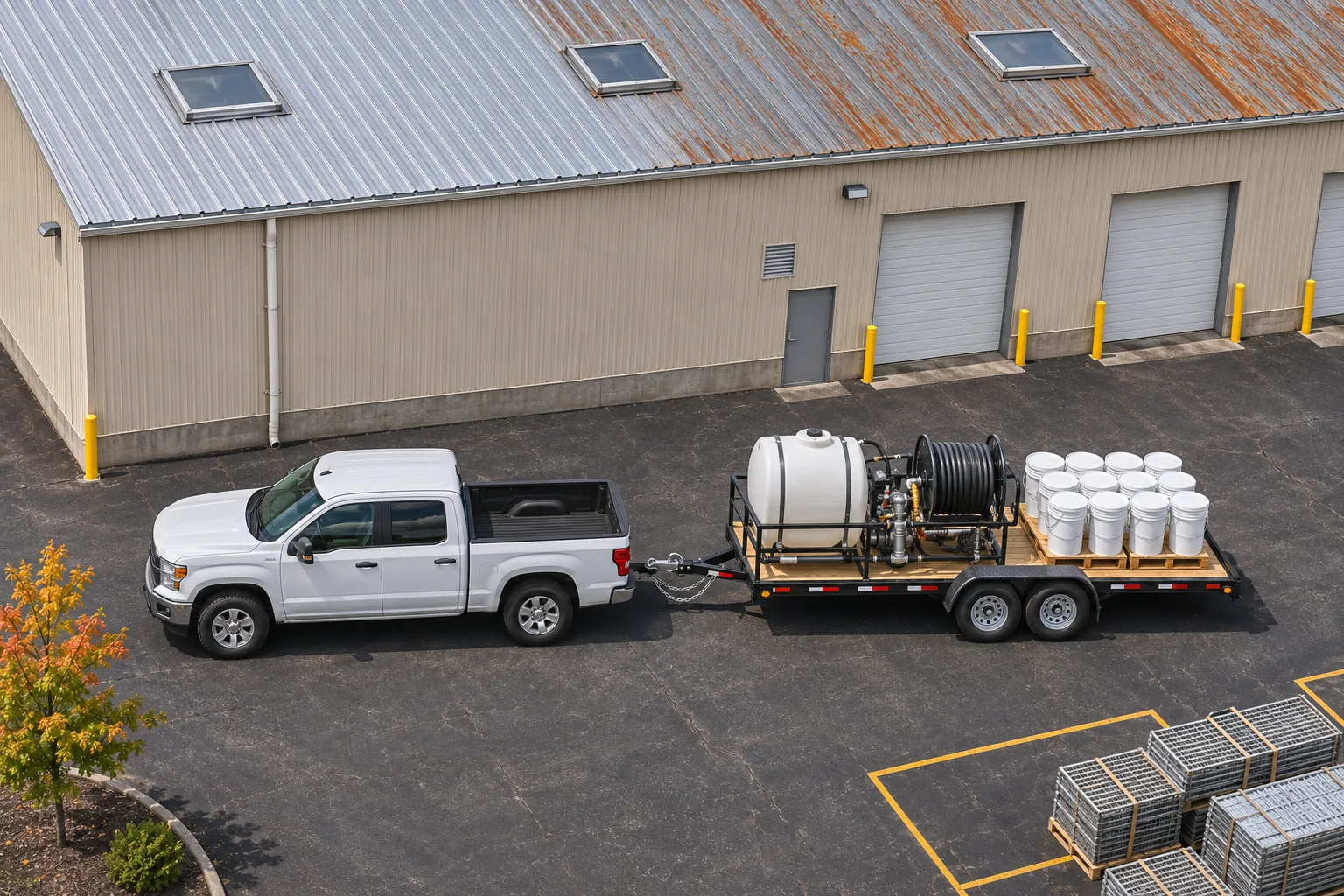
Attachment, moisture, rust, drains, and every penetration get checked. Core cuts or moisture readings confirm the roof is dry enough to cover.
Repairs and drying come first. Then cars move, air intakes close, and masking goes up along walls and windows facing the work.
Foam goes on in passes to the planned thickness, with wind speed checked through the day. Spraying stops when wind or moisture rises.
A protective coating goes over the foam on schedule, since bare foam breaks down in sun. Thickness is checked across the field and at details.
When insulation is already adequate, one of these coatings can be enough.
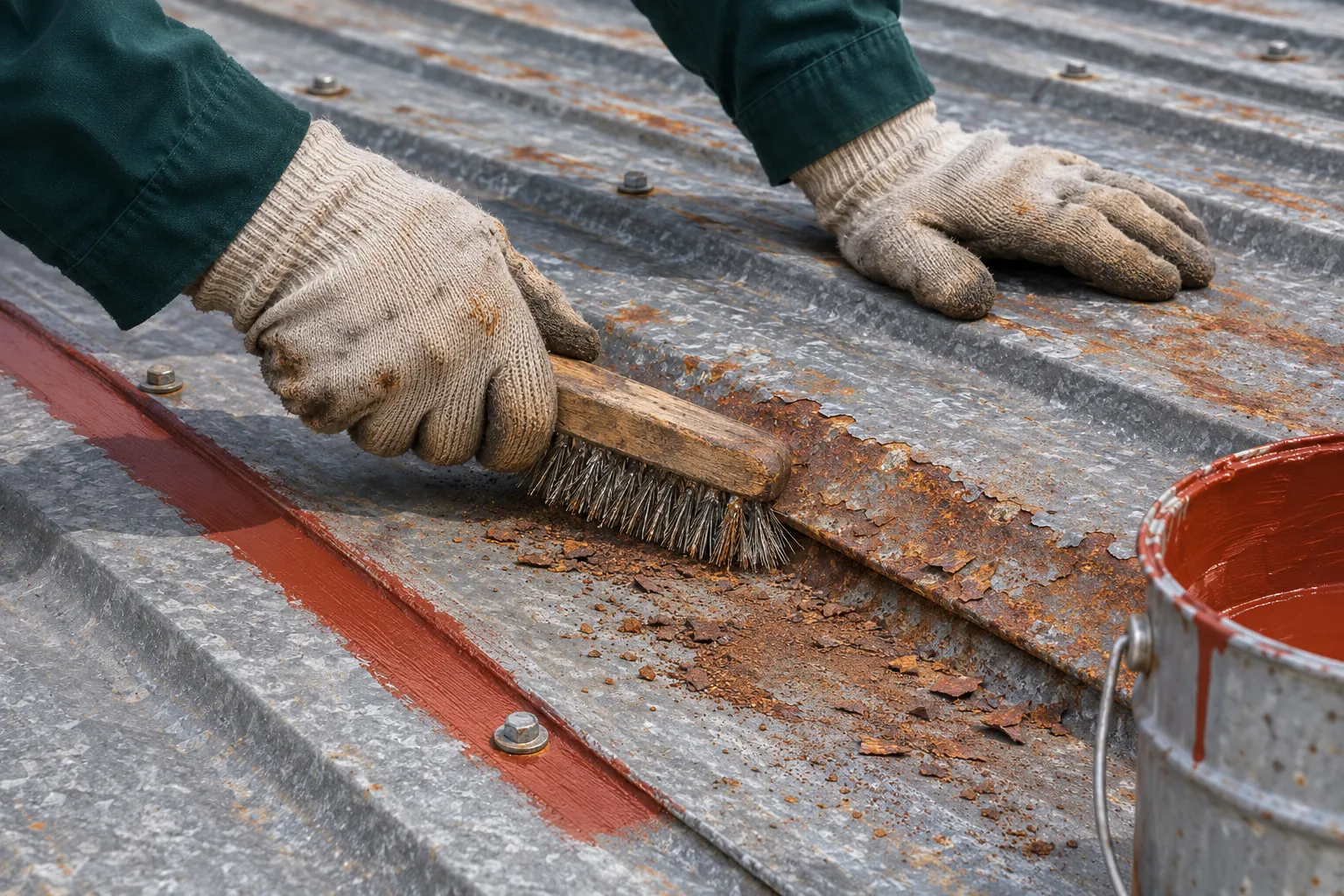
Steel roofs that need coating without added insulation.
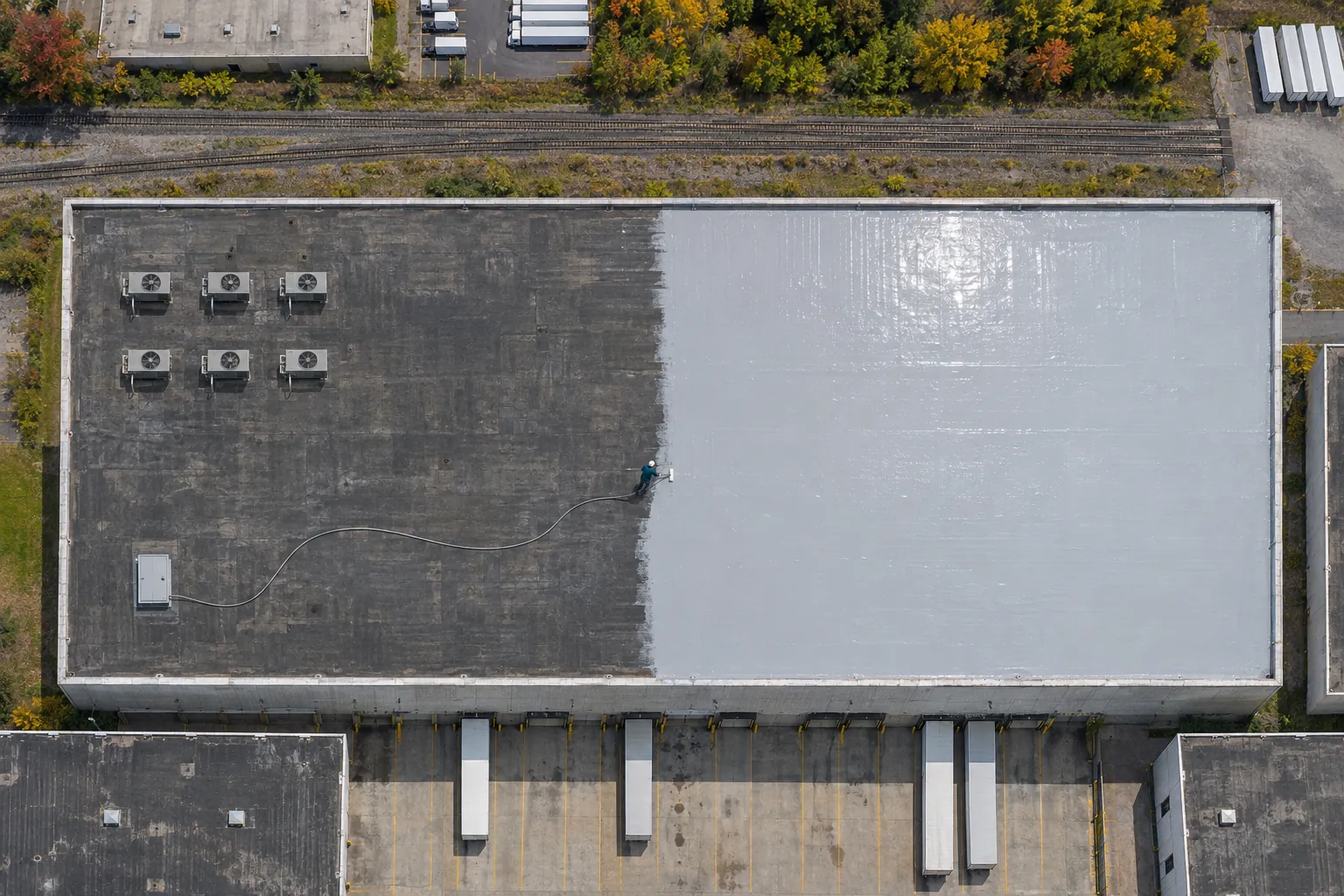
Low-slope roofs where ponding is the main concern.
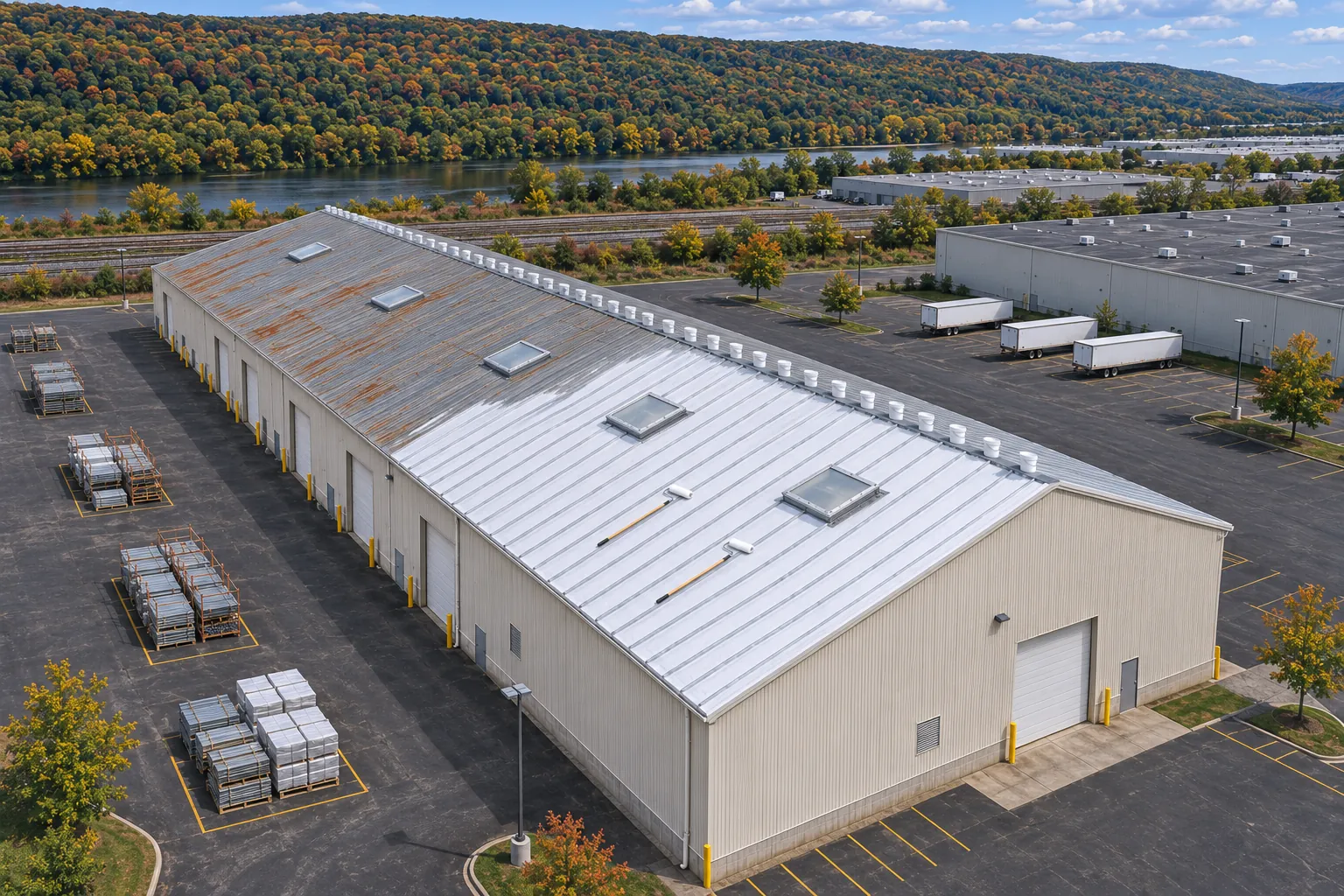
Pitched metal roofs that only need a reflective coat.
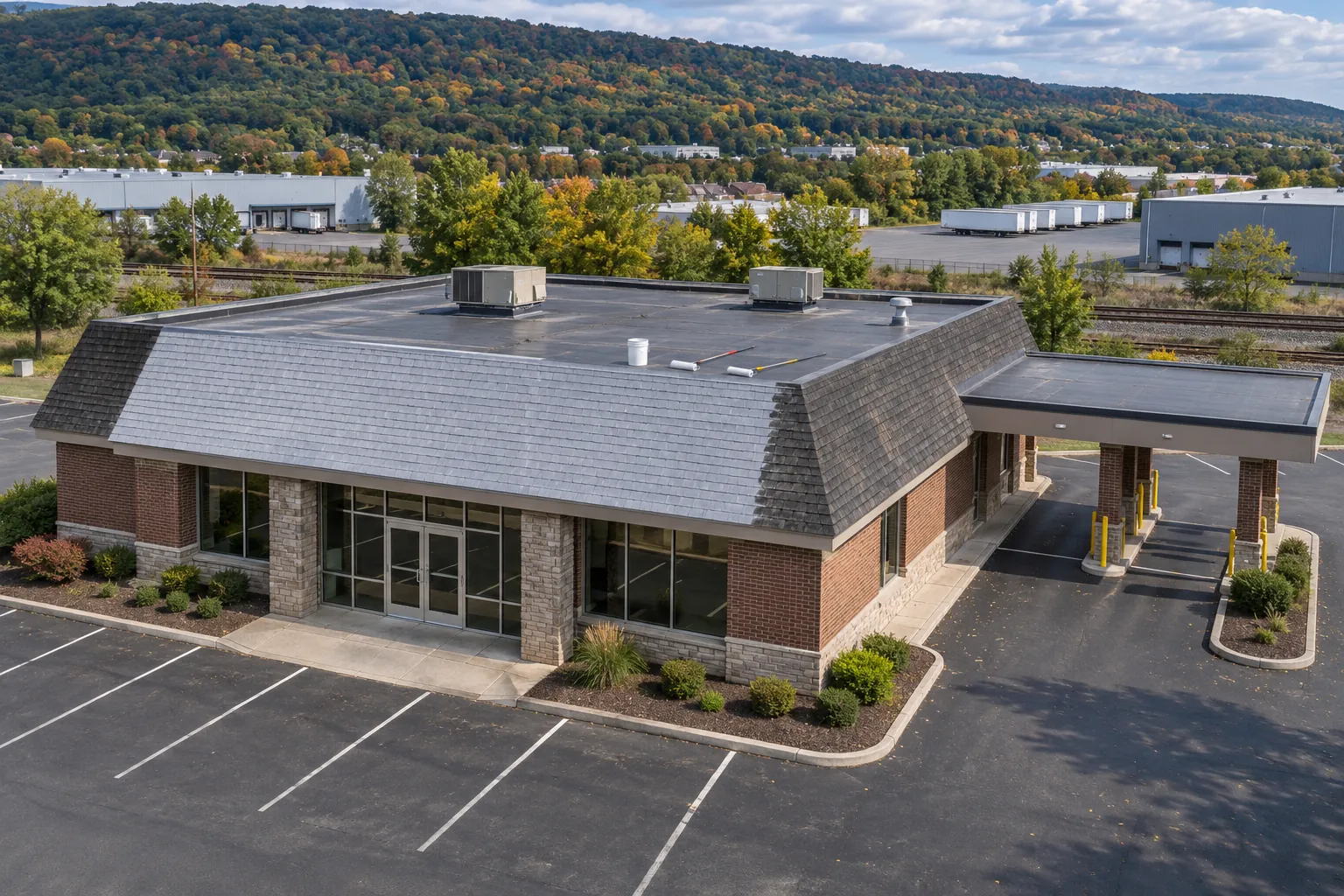
Shingle sections next to a foamed flat roof.
Plain answers about foam roofs on commercial buildings.
On the plus side, foam adds insulation, covers seams in one surface, and can build slope. On the other side, it needs dry substrate and calm air to install, overspray has to be controlled, and the topcoat must be renewed. Repairs after damage need compatible foam and coating.
For a busy warehouse, the main ones are overspray control around trucks and dock doors, weather limits during application, and keeping the topcoat maintained where service traffic wears it. We look at delivery areas, air intakes, and service routes before picking the system, and plan walkway areas from the start.
A spray foam roof over metal panels can hide loose attachment, rust holes, and wet insulation if they are covered without a look first. Those stay under the foam and keep causing trouble. We inspect and repair them first, then add proper penetration details and the protective coating on top.
Not by itself. Condensation under metal roofing comes from warm, moist inside air meeting cold steel, so air leaks and interior humidity matter as much as insulation. We review those before deciding how foam fits. Foam also needs dry, warm enough conditions to spray, which limits midwinter work.
Spraying is louder than rolling coatings and produces fine overspray that wind can carry. We stage rigs away from entrances, cover nearby cars and equipment, and stop work when wind picks up. Inside the building, most occupants notice only some noise from the roof during spraying hours.
Send the roof size and building use, or call, and we will check whether foam fits.